Local removals Church Street Twickenham TW1 practical tips
If you are planning a move around Church Street in Twickenham, the small details matter more than people expect. Narrow timings, parking, stairs, awkward corners, and the usual last-minute panic can turn a simple local move into a long day if you do not prepare properly. This guide to Local removals Church Street Twickenham TW1 practical tips is here to make the whole thing feel calmer, cleaner, and far more manageable.
Whether you are moving from a flat, a family home, a shared property, or a small office nearby, the same truth tends to hold: the smoother the planning, the easier the move. Below, you will find practical advice, local considerations, common mistakes, and a realistic step-by-step approach that works well for short-distance removals in this part of TW1. Nothing fancy. Just the stuff that actually helps on the day.
Table of Contents
- Why Local removals Church Street Twickenham TW1 practical tips Matters
- How Local removals Church Street Twickenham TW1 practical tips Works
- Key Benefits and Practical Advantages
- Who This Is For and When It Makes Sense
- Step-by-Step Guidance
- Expert Tips for Better Results
- Common Mistakes to Avoid
- Tools, Resources and Recommendations
- Law, Compliance, Standards, or Best Practice
- Options, Methods, or Comparison Table
- Case Study or Real-World Example
- Practical Checklist
- Conclusion
- Frequently Asked Questions
Why Local removals Church Street Twickenham TW1 practical tips Matters
Local removals sound straightforward because the distance is short. In real life, though, the distance is only one part of the job. Church Street and the surrounding TW1 streets can involve time-limited access, busy footfall, tight loading space, and properties that are not always designed with furniture removal in mind. A move of ten minutes can easily become three hours if boxes are not labelled, the van is too small, or the route in and out of the property has not been thought through.
That is why practical advice matters. It helps you avoid the kind of delays that feel minor at 8 a.m. and deeply annoying by midday. It also helps protect your belongings, reduce strain on your back, and make the day less chaotic for everyone involved. To be fair, most people do not need a perfect moving system. They just need a plan that stops the obvious problems before they start.
Local moves in this area also reward familiarity. If you know roughly how many trips you will need, whether the sofa will fit through the hallway, and where the van can safely wait, you are already ahead. A move is never just a lift-and-carry exercise. It is a small logistics project. Once you see it that way, everything gets easier.
How Local removals Church Street Twickenham TW1 practical tips Works
A good local move usually follows a simple sequence: assess the property, pack properly, confirm access, move in stages, and unload in a sensible order. The key is not speed for its own sake. It is rhythm. A clear rhythm saves time and reduces stress.
For Church Street removals, that often means checking these basics first:
- Where the removal van can stop without blocking pedestrians or traffic
- Whether there are stairs, lifts, or awkward turns inside the property
- Which items need extra care, such as mirrors, TVs, or musical instruments
- How many boxes, bags, and loose items are going
- Whether you need help with packing, unloading, or temporary storage
If you are using a professional team, they will usually ask about property access, volume, and special items so they can plan the right vehicle and staffing. If you are organising the move yourself, the same questions still apply. They are not glamorous questions, granted, but they save headaches.
For smaller local moves, a man and van style service can be practical. For larger family houses or more complex jobs, a fuller removals service may be the better fit. And if you need more hands, the right removal services can usually be matched to the amount of help you actually need, rather than forcing you into an oversized package.
Key Benefits and Practical Advantages
The biggest benefit of a well-planned local move is control. You may not be able to make moving day enjoyable - let's face it, who really enjoys carrying a bed frame down stairs? - but you can make it calmer and more predictable.
- Less wasted time: Clear packing and access planning reduce avoidable delays.
- Lower damage risk: Good wrapping, sensible stacking, and proper lifting protect both furniture and walls.
- Better cost control: Efficient loading can reduce the hours or vehicle size you need.
- Less physical strain: The right lifting method matters, especially with heavy boxes and awkward items.
- Cleaner settling-in: If rooms are labelled well, unpacking feels less like a treasure hunt.
There is also a quiet emotional benefit. You arrive at the new place feeling more in charge. That matters more than people admit. A move already asks enough of your attention; if you can remove a bit of noise from the process, do it.
For some households, local removals are also a chance to reset. Old furniture can be passed on, oversized items can be taken away, and unneeded pieces can be handled through furniture removals or furniture pick up support, which keeps the old place tidy and makes the new one feel more intentional from day one.
Who This Is For and When It Makes Sense
This approach works for anyone moving within or near TW1, but it is especially useful if you are dealing with any of the following:
- A flat move with stairs, shared entrances, or limited storage space
- A family home move with lots of boxes and mixed-size furniture
- A student move with a modest load but a very tight timetable
- A small office move where equipment and documents need careful handling
- A same-day or short-notice move that still needs some structure
For example, if you are leaving a top-floor flat near Church Street, a short-distance move can still be physically demanding. A service such as flat removals is often a better fit than trying to manage everything with borrowed cars and a few favours. Likewise, if you are relocating a business space, office removals or commercial moves are designed for a different kind of pressure entirely.
It also makes sense for anyone who values a cleaner handover. Some people can tolerate a bit of chaos. Others really cannot. And that is fine. A move should fit your tolerance level, not test it for sport.
Step-by-Step Guidance
Here is a practical way to organise a local removal without overcomplicating it.
1. Confirm what is actually moving
Walk through each room and decide what is going, what is staying, and what can be sold, donated, recycled, or stored. Do this before you pack. If you skip that step, you end up moving clutter for no good reason. Not ideal.
2. Measure the awkward items
Check larger furniture, mirrors, headboards, sofa arms, and appliances against doorways and stairs. One sofa that barely fits can slow the whole day down. If an item is especially awkward or valuable, flag it early. A piano, for example, should never be treated like an ordinary box. Services such as piano removals exist for a reason.
3. Pack by room, not by random chance
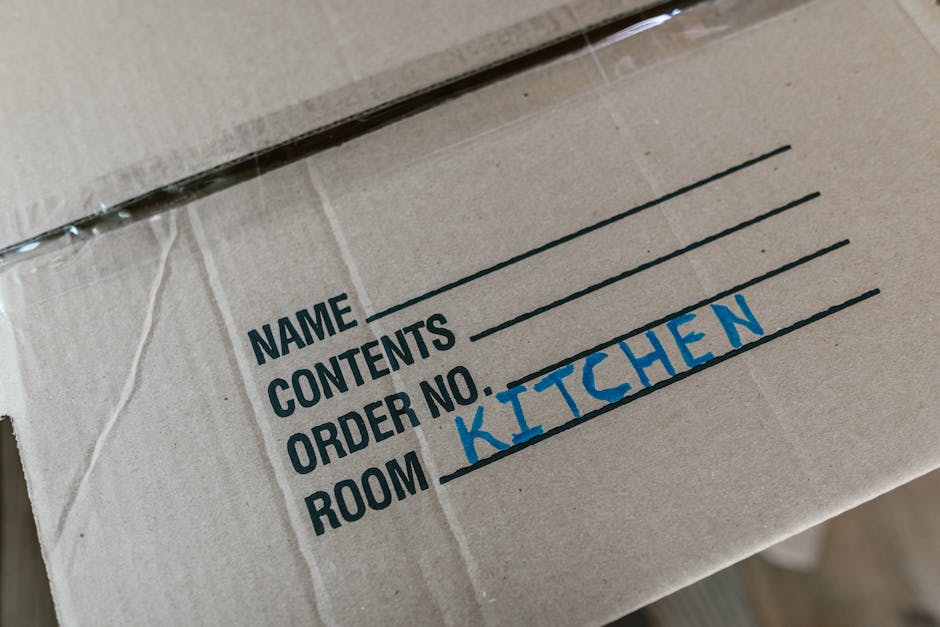
Room-based packing makes unloading easier. Put similar items together, and label each box clearly on at least two sides. If you are not in the mood for detailed labelling, at least write the destination room and a rough contents note. Future-you will be grateful.
4. Prepare a first-night box
Keep kettle items, phone chargers, medication, toilet paper, snacks, and a change of clothes separate. That one box can save a lot of frustration when the rest of the house is still full of sealed cartons.
5. Plan access and parking
This is a big one for Church Street and nearby roads. Think through loading distance, building entry, and whether there is a place for the van to wait. Even a good team can lose time if they have to carry everything half a street. If you are unsure what vehicle suits your move, a removal van may be enough for a lighter load, while a moving truck may be the smarter option for fuller households.
6. Load in the right order
Heavy, sturdy items generally go first. Softer or lighter items can fill the gaps. Avoid crushing delicate pieces beneath heavy cartons. It sounds obvious, but in the rush, obvious things are often the first to go.
7. Unload with a plan
At the new place, start with the essentials and the furniture that shapes the room layout. Beds, wardrobes, and key kitchen items usually come before decorative bits. That way, the place becomes liveable faster, which is what most people want by late afternoon.
Expert Tips for Better Results
Small decisions make the biggest difference in local removals. Here are the tips that tend to help most in real situations.
- Book the moving time with breathing room. A move starting at the edge of school-run traffic or a busy commute can feel much harder than one starting slightly earlier.
- Use stronger boxes for books. A box full of books becomes surprisingly heavy very quickly. Your arms will notice.
- Keep screws and fittings with the furniture they belong to. A labelled envelope taped to the item saves a later search through four different drawers.
- Wrap corners and tabletops. Little knocks are what usually leave the annoying marks.
- Take photos before dismantling items. It helps when rebuilding beds, desks, and shelving later.
- Separate valuables and documents. Important papers, passports, and jewellery should stay with you.
If you are moving with limited help, consider whether a professional packing option makes sense. Packing and boxes support can take some of the pressure off, while packing and unpacking services can save a surprising amount of time if the move is large or your schedule is tight.
Another tip, and this sounds simple but really is worth saying: do not overfill every box. A half-empty box is not a failure. It is a box that can be lifted safely. There is no prize for making everything brutally heavy.
Common Mistakes to Avoid
Most moving problems come from a handful of predictable mistakes. Avoiding them is easier than recovering from them.
- Leaving packing too late: A rushed pack almost always leads to broken items or missing essentials.
- Underestimating the volume: People often forget how much space soft furnishings, kitchenware, and little bits of clutter take up.
- Ignoring access issues: A good route in theory is not the same as a practical route on moving day.
- Using the wrong vehicle: Too small and you need extra trips; too big and you may pay for space you do not need.
- Not separating fragile items: If fragile boxes are mixed in with heavier loads, damage becomes much more likely.
- Forgetting to check insurance and terms: Always read the service details properly, even if you are in a hurry.
That last one matters more than people think. If you are booking help through a provider, it is sensible to look at the insurance and safety information and the terms and conditions before the day arrives. It is not exciting reading, admittedly, but it helps set fair expectations.
Another common slip is treating the move like a single task instead of a sequence of smaller tasks. Once the boxes, vehicle, route, and access each get their own attention, the whole process becomes much less messy.
Tools, Resources and Recommendations
You do not need a warehouse of specialist equipment for a local move. A handful of sensible tools is usually enough.
- Strong cartons in several sizes
- Packing tape and a tape gun
- Marker pens for room labels
- Bubbling wrap or protective blankets for fragile items
- Furniture covers or old sheets
- Zip bags for screws, remote controls, and small fittings
- Gloves with grip if you are carrying boxes yourself
- A simple note list for items going into storage
If your move includes items you are not ready to place in the new home, short-term storage can be a sensible pressure valve. That is especially useful if completion dates shift, decorating is unfinished, or you just want a few less boxes underfoot for the first week.
For people moving out of a furnished property, or clearing space after a tenancy, combining furniture removals with a clear recycling plan can make the handover much easier. You are not just moving stuff around. You are making decisions about what deserves space in your next chapter.
Law, Compliance, Standards, or Best Practice
For local removals in Church Street Twickenham TW1, most of the practical compliance issues are about safety, access, and responsible handling rather than anything highly technical. Still, they are worth taking seriously.
Good practice usually includes:
- Safe lifting and carrying techniques
- Clear paths for moving large items
- Care around shared entrances, walls, and floors
- Respect for neighbouring residents and pedestrians
- Appropriate vehicle loading, so items do not shift in transit
If you are using a professional removals provider, it is wise to check how they approach health and safety and whether their processes reflect normal UK expectations for careful handling and secure transport. In a residential area, that can mean everything from sensible parking to protecting floors and keeping a tidy working area. No need for drama. Just steady, careful work.
Payment, privacy, and service clarity matter too. If you are getting a quote or paying online, the pages on pricing and quotes and payment and security are the kind of place where you can check what to expect before you commit. It keeps everyone on the same page, which is really the goal.
And if you care about waste reduction, it is worth asking how unwanted items are handled. A responsible removal process should be able to support reuse, donation, or recycling where appropriate. The recycling and sustainability information can help you understand that side of the move.
Options, Methods, or Comparison Table
Different moves call for different approaches. Here is a simple comparison to help you choose the right level of support.
| Option | Best for | Pros | Watch out for |
|---|---|---|---|
| DIY local move | Very small loads, minimal furniture | Cheapest if you already have help and transport | Time-consuming, tiring, and easy to underestimate |
| Man and van | Small to medium loads, short-distance moves | Flexible, practical, usually quicker to organise | May need multiple trips for larger homes |
| Full removals service | Family homes, larger flats, more fragile items | More support, less physical strain, better for complex moves | Costs more than a basic van-only approach |
| Storage plus move | Delayed move-in dates, staged relocations | More flexibility, less pressure on moving day | Requires extra planning and coordination |
For many Church Street moves, the deciding factor is not just size. It is complexity. A small flat on a tricky staircase can be more awkward than a bigger property with easy access. That is why services such as man with van or man with a van can be a neat fit for lighter, local jobs, while larger moves often benefit from fuller support.
If the move is time-sensitive, same-day removals may be useful in the right circumstances, though it is still worth planning carefully. Same-day does not mean careless. Hopefully not, anyway.
Case Study or Real-World Example
Imagine a couple moving from a one-bedroom flat near Church Street to another property a short drive away in Twickenham. On paper, it seems simple. Two people, one van, one day. In reality, they have a wardrobe that does not dismantle easily, a mattress, several heavy boxes of books, a mirror, kitchenware, and a few awkward plants that nobody wants to squash. A classic little moving puzzle.
They start well by sorting items three days early, not the night before. They label all boxes by room and keep one box aside for essentials. They also measure the wardrobe and decide to dismantle it rather than gamble on a tight doorway. On the morning, the van arrives with enough room for everything in one trip. The loading is calm. The unpacking is still work, of course, but not chaos.
What made the difference? Not luck. Planning. A modest amount of effort before moving day usually pays back very quickly. That is the real lesson here, and it shows up again and again in local moves.
In another example, a student moving out at the end of term may only have a few boxes and a desk. A smaller vehicle and light assistance are plenty. In that case, student removals can be a better match than overbooking a large team. Different job, different solution. Simple enough.
Practical Checklist
Use this checklist in the final week before the move. It is deliberately practical and a little old-school, which is often best.
- Declutter each room and separate donations, recycling, and rubbish
- Confirm moving time, access, and parking arrangements
- Measure large furniture and check doorways or stair turns
- Book packing help or supplies if needed
- Label boxes clearly by room and contents
- Pack a first-night box with essentials
- Keep important documents and valuables with you
- Protect fragile items with proper wrapping
- Check insurance, terms, and payment details
- Plan the order you want rooms unloaded at the new property
- Set aside keys, phone chargers, and contact numbers
- Make sure pets and children have a quieter plan for moving day
And if you are replacing old furniture rather than taking it with you, it may be worth arranging a simple clearance as part of the move rather than leaving it until later. One less task. One less excuse to procrastinate. We have all been there.
Conclusion
Local removals in Church Street Twickenham TW1 do not need to be stressful, but they do need to be thought through properly. The best outcomes usually come from a mixture of clear packing, realistic vehicle planning, careful access checks, and the right level of support for the size of the job. If you take away one thing from this guide, let it be this: a short-distance move still deserves a proper plan.
Whether you need help with a flat, a family house, an office, or just a lighter move with a few fragile items, the smartest approach is the one that matches your actual situation instead of trying to force a one-size-fits-all method. That is what keeps the day steady, and honestly, it makes the unpacking feel less like a battle.
Get a free quote today and see how much you can save.
Moving day can be tiring, yes. But with the right preparation, it can also feel tidy, controlled, and oddly satisfying when the last box is finally in place.
Frequently Asked Questions
What are the most important Local removals Church Street Twickenham TW1 practical tips?
The most useful tips are to declutter early, label boxes clearly, check access and parking, measure awkward furniture, and choose the right size vehicle. Those five things solve a surprising amount of moving-day stress.
Is a man and van service enough for a move near Church Street?
It can be, especially for smaller flats, student moves, or light household loads. If you have more furniture, delicate items, or several rooms' worth of belongings, a fuller removals service may be more suitable.
How far in advance should I start packing?
Ideally, start non-essential packing at least a week before the move, and earlier if you have a larger household. The earlier you begin, the less likely you are to end up stuffing random items into the last box at midnight.
What should I do if parking is tight on moving day?
Plan the loading point in advance and make sure the removal team knows about any restrictions, narrow access, or busy periods. In local moves, access can matter as much as the journey itself.
How do I protect fragile items during a local move?
Use proper wrapping, sturdy boxes, and enough padding so items cannot shift around. Label fragile boxes clearly and keep them separate from heavy loads. A little extra packing time is worth it.
Are local removals cheaper than long-distance moves?
Usually, yes, because the travel time is shorter. But the final cost still depends on the amount of furniture, access difficulty, packing help, vehicle size, and how much time the job takes.
What if I need short-term storage during the move?
Short-term storage can help if dates do not line up, decorating is unfinished, or you simply want to stage the move. It is a practical option when timing is a bit messy.
Can I use the same service for a flat move and furniture clearance?
Often, yes. If you are moving and also removing unwanted pieces, ask whether furniture clearance or pickup can be included as part of the plan. It can make the day simpler.
What should I keep with me rather than putting in the van?
Keep valuables, keys, important documents, medication, chargers, and any items you may need immediately on arrival. Your first-night box should also travel separately if possible.
Do I need to worry about safety and insurance?
Yes, especially for heavier items, stair carries, and fragile belongings. It is sensible to check how the removal provider handles safety and what protection is included before you book.
What is the best option for a very small local move?
For very small moves, a man with van arrangement is often the most practical choice. It is flexible, efficient, and usually easier to organise than a larger service you do not really need.
How can I make unpacking easier after the move?
Label boxes by room, unpack essentials first, and set up the bedroom and kitchen before decorative items. That way, the new place starts feeling liveable much sooner, which is a relief after a long day.